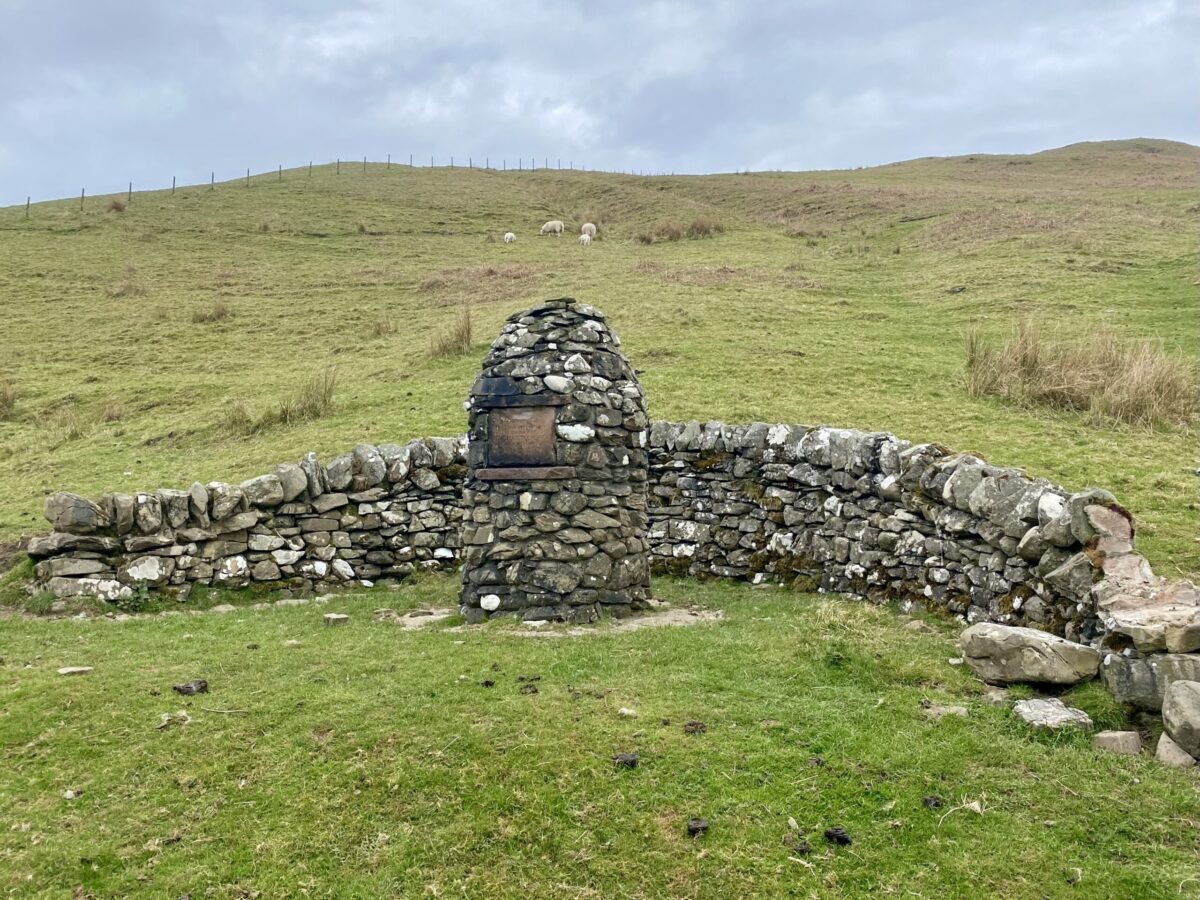
Thomas Telford was born the son of a crofter in the hamlet of Langholm in Eskdale, Scotland, on 9th August 1757. His childhood was shaped by poverty, his father died when he was a baby, but he was fortunate to receive a solid education at Westerkirk Parish School. The photograph is a memorial cairn close to the location where Telford was born.
Thomas Telford was an apprentice stonemason at the age of 14. His first placement was unhappy, but his second, with Andrew Thomson in Langholm, was a success. Later, he progressed to journeyman assistant and worked on several projects for the Duke of Buccleuch.
In 1780, he worked in Edinburgh, where he broadened his education. Always a keen reader, he taught himself architecture.
By 1782, Telford had moved to London, working as a stonemason on Somerset House. From 1784 to 1786, he oversaw construction projects at Portsmouth Dockyard, including Admiralty House and St Ann’s Church, some of the dockyard’s finest buildings. By this stage, he had expanded his skills well beyond masonry to include the design and management of full building projects.
His career-defining opportunity came when Sir William Pulteney, MP for Shrewsbury and a Scottish acquaintance, invited him to supervise the restoration of Shrewsbury Castle. Telford accepted, and by 1787 he’d been appointed Surveyor of Public Works for Shropshire, a role he held for life.
Sir William Pulteney remained Telford’s sponsor and supporter until his death in 1805. By then, Telford’s name was already made.


Thomas Telford was extraordinarily prolific and dedicated his life to his work. He never married and rarely seemed to rest. Unlike many engineers of his time, he worked across a wide range of projects. According to historian Julian Glover, drawing on Roland Paxton’s research, these included:
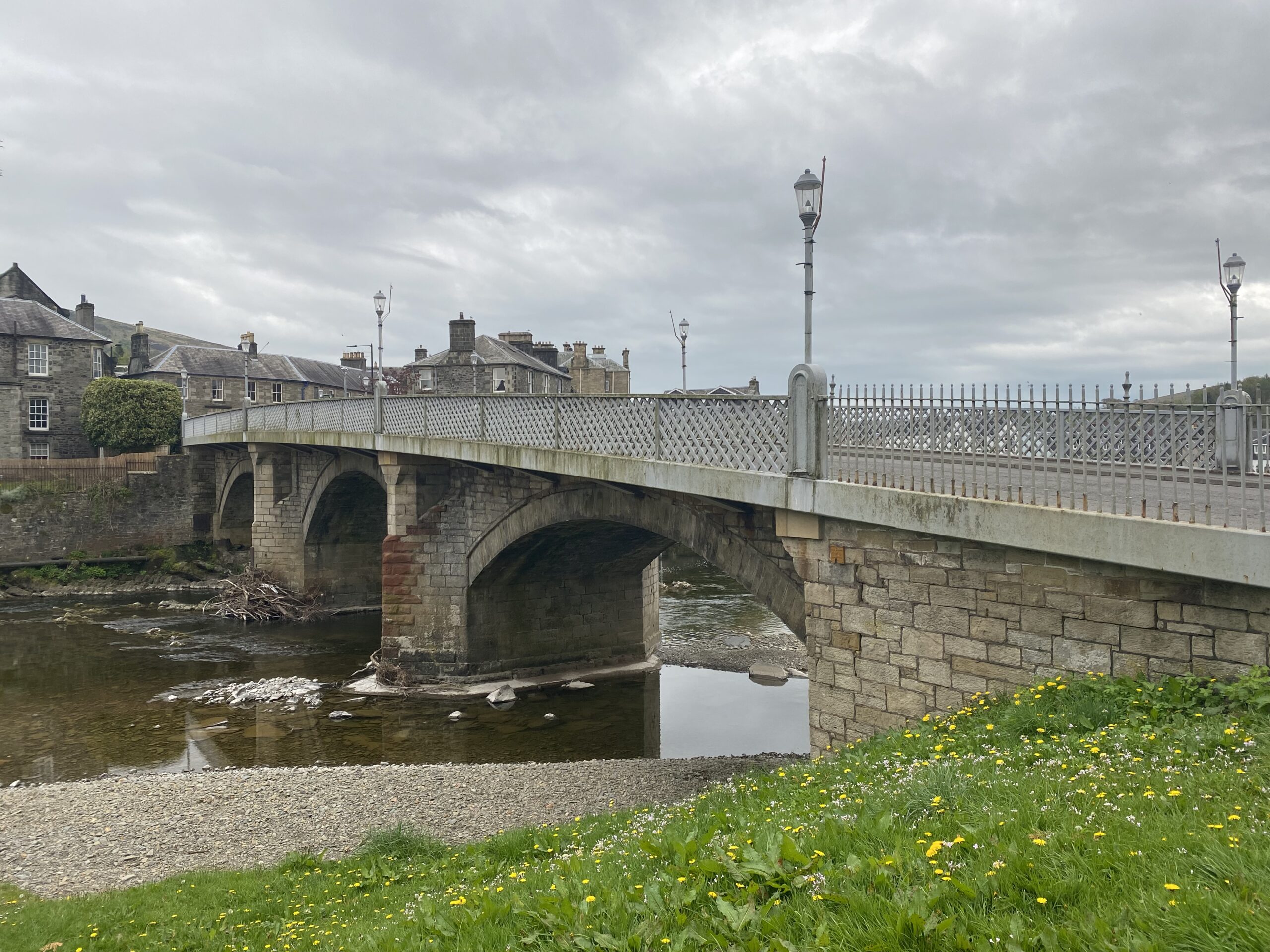
- 94 bridges and aqueducts
- 17 canal projects
- Around 100 harbour works
- 4 fen drainage projects
- 9 Highland road projects, including 1,900km of roads and over 1,100 bridges
- 10 additional road projects
- 3 railways
- 4 river works
- 4 water supply projects
He also worked on several buildings, including three new churches in Shropshire, alterations to Shrewsbury Gaol and Shrewsbury Castle, 32 Highland churches, 42 manses, and many others.
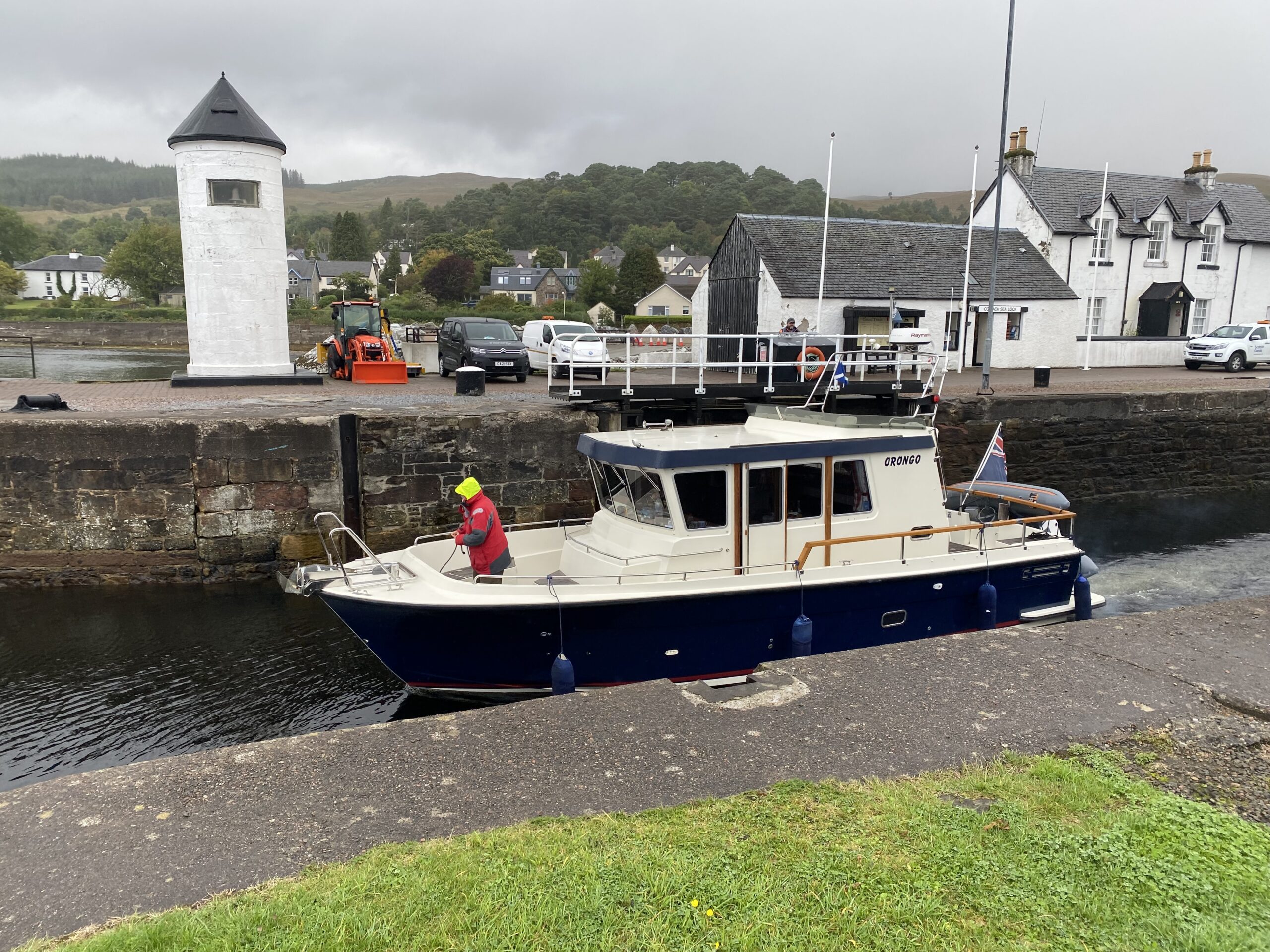
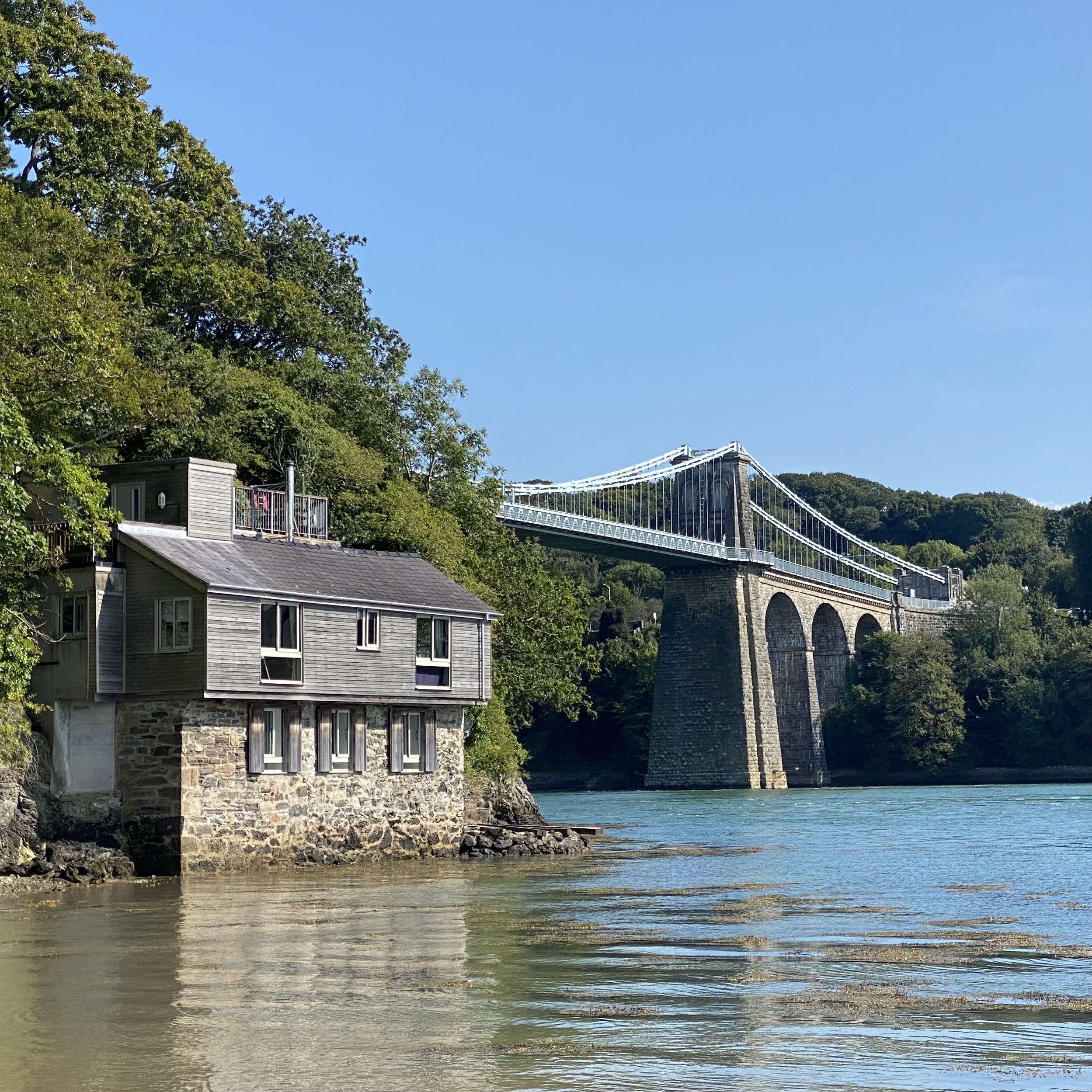
Taken from his citation in the Scottish Engineering Hall of Fame:
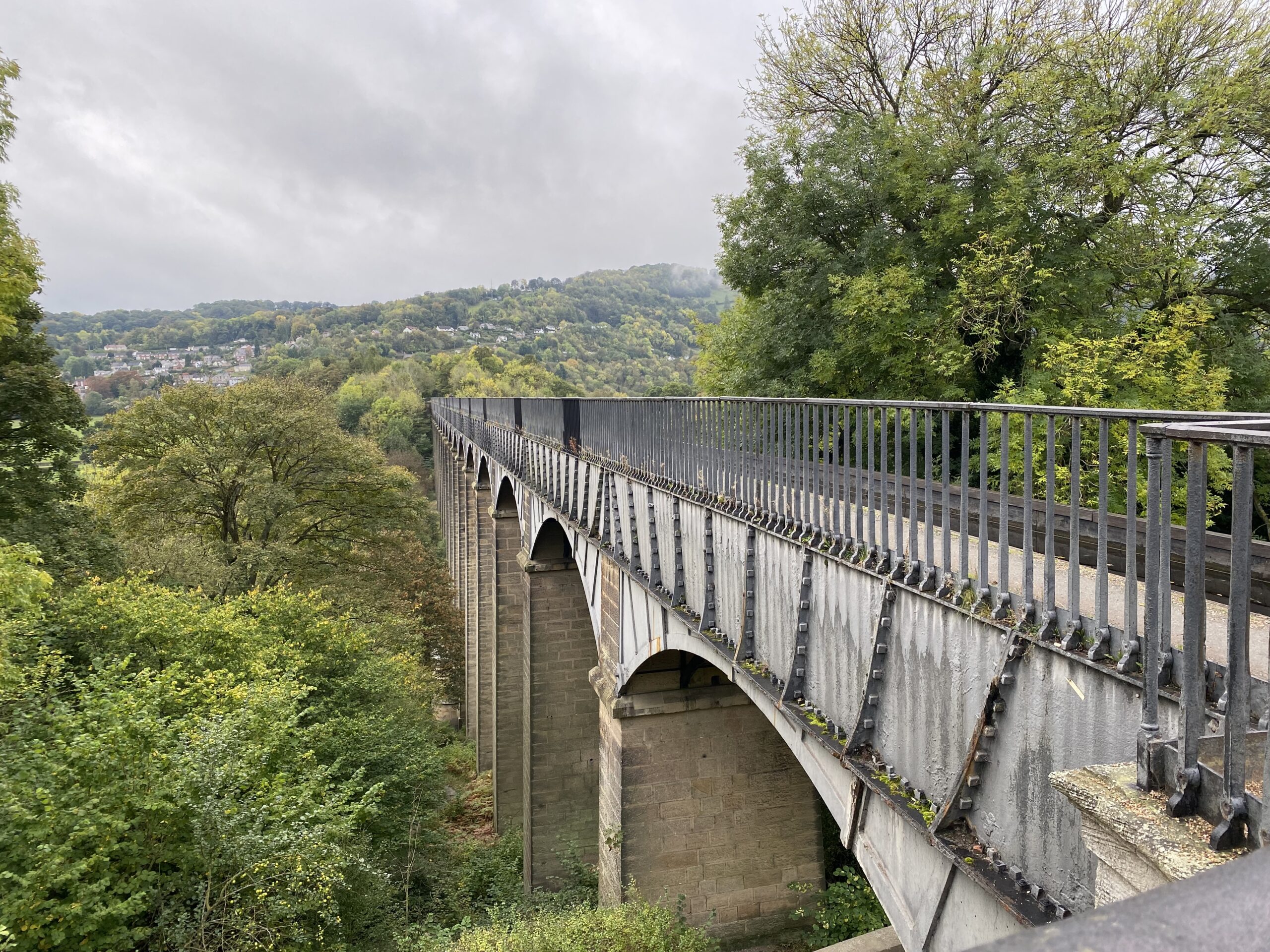
“Thomas Telford’s greatest legacies are his many works of civil engineering still in use today, remarkable for their longevity and utility. Ellesmere Canal is now a World Heritage Site. Many of his canals, roads, bridges, docks, harbours, water supply schemes, and even churches remain in use some 200 years after their conception.
He encouraged engineering excellence through the Institution of Civil Engineers, and his development of sound contract procedures greatly improved the governance and management of major engineering works.
Telford New Town is named after him.”