Thomas Telford was one of the greatest civil engineers in the UK, with a legacy that stretches across Britain and beyond. He served as County Surveyor for Shropshire from 1787 until his death in 1834.
Over his lifetime, Telford worked as a stonemason, architect, and engineer, rising from humble beginnings in a Scottish croft.
Our Visitor Centre celebrates the life and achievements of this remarkable yet modest man.
It is fitting that in 1968, the newly established town of Telford was named in his honour.
Read more about his story below.
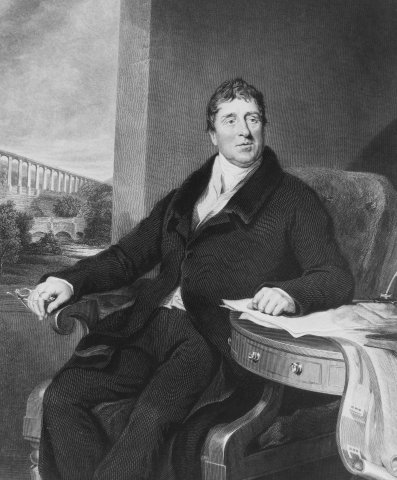
Thomas Telford was one of the most influential engineers of the Industrial Revolution. Born into poverty, he rose to shape the landscape of Britain with roads, bridges, canals, and buildings that still stand strong today.
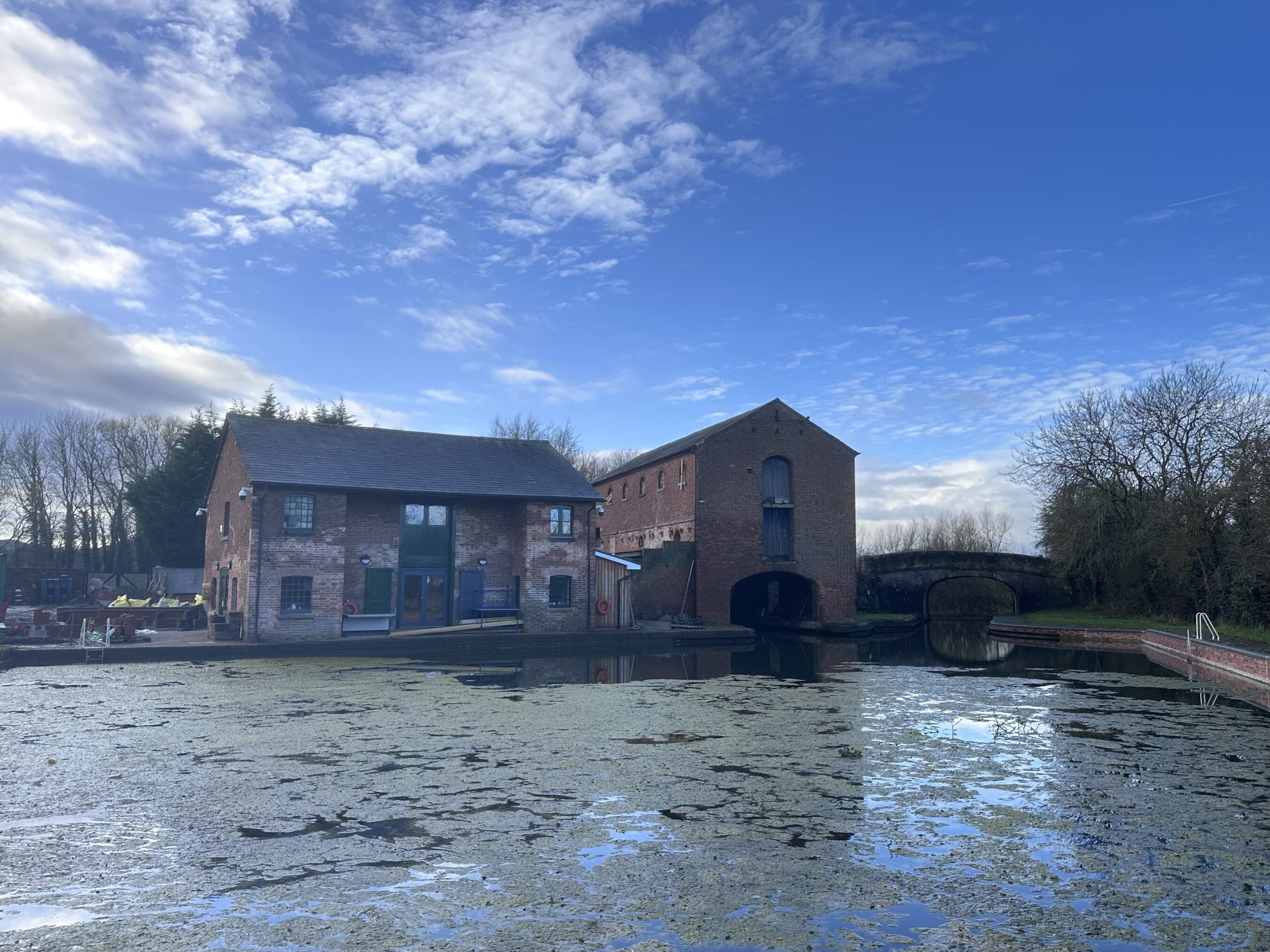
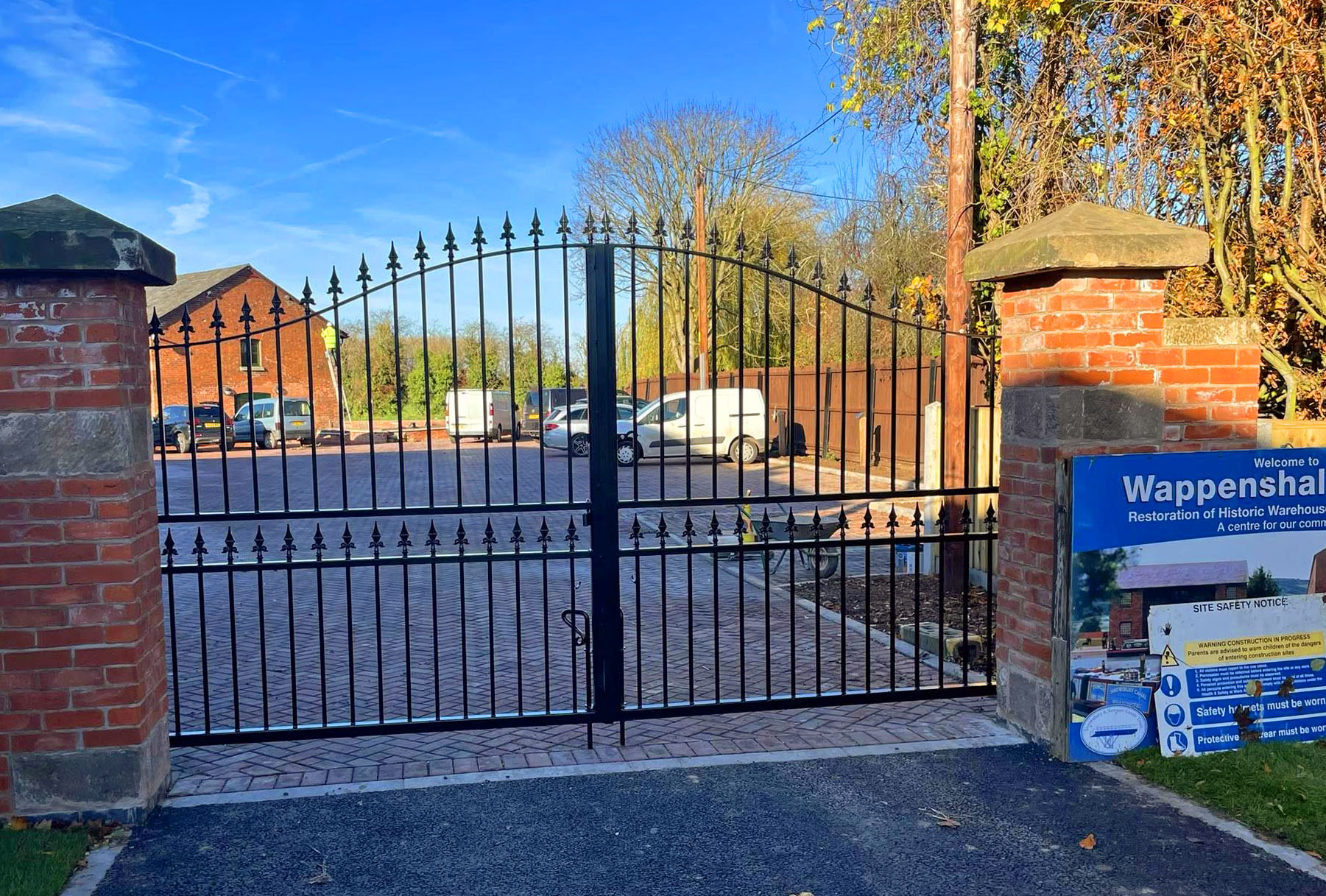
You’ll find his legacy woven through Wappenshall Wharf and beyond. If you’d like to learn more about his life, work, and extraordinary achievements, click below to dive deeper.

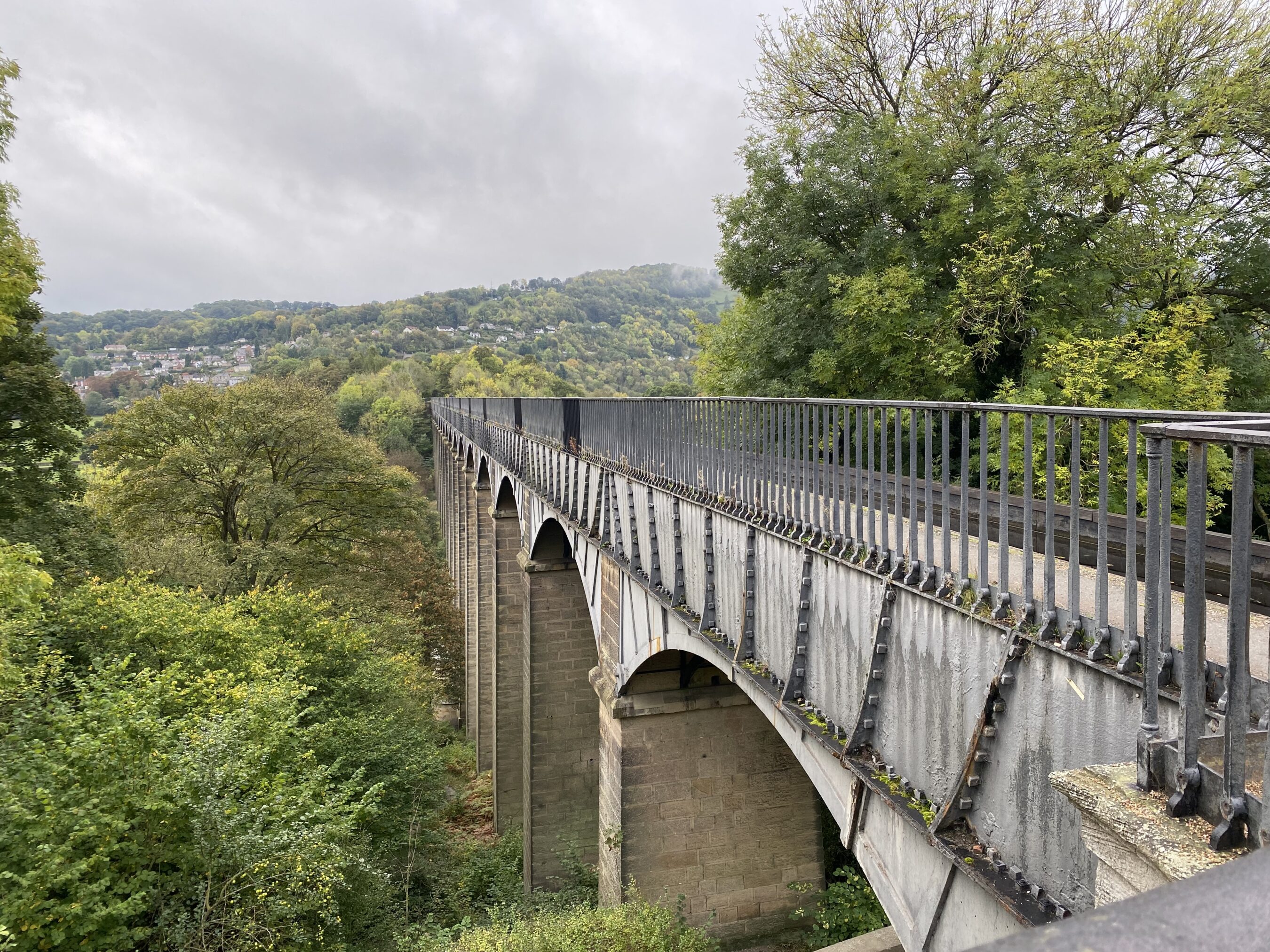

Thomas Telford wasn’t just a pioneering engineer. He was part of a wider network of thinkers, innovators, and industrialists who shaped Britain and beyond. From mentoring relationships to global consultations, his career was built on connection and collaboration.
Click below to explore more about the people who influenced Telford, those he inspired, and how far his ideas travelled.
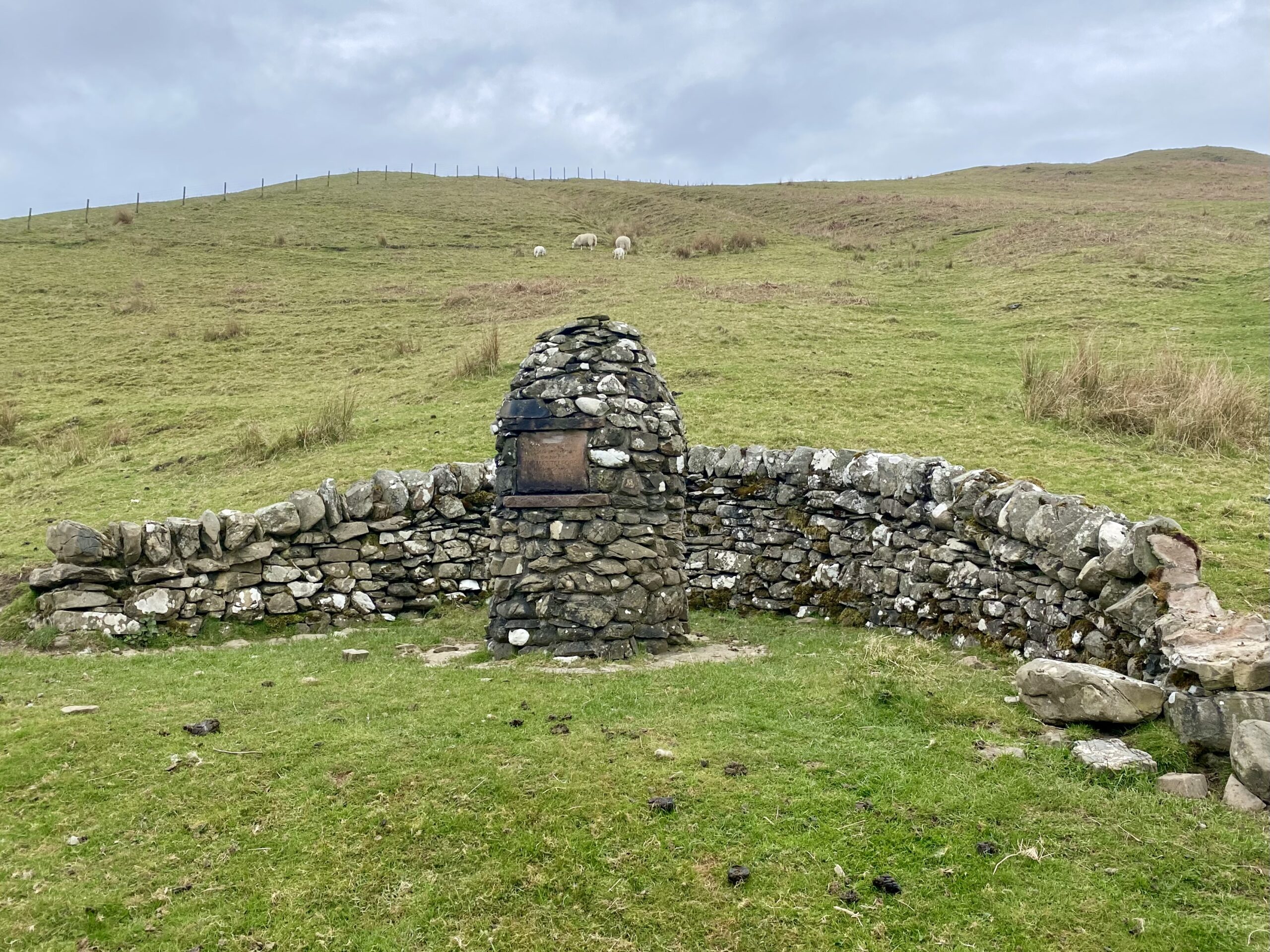
Thomas Telford was born on 9th August 1757 at Glendinning Farm in Westerkirk, Eskdale, Scotland.
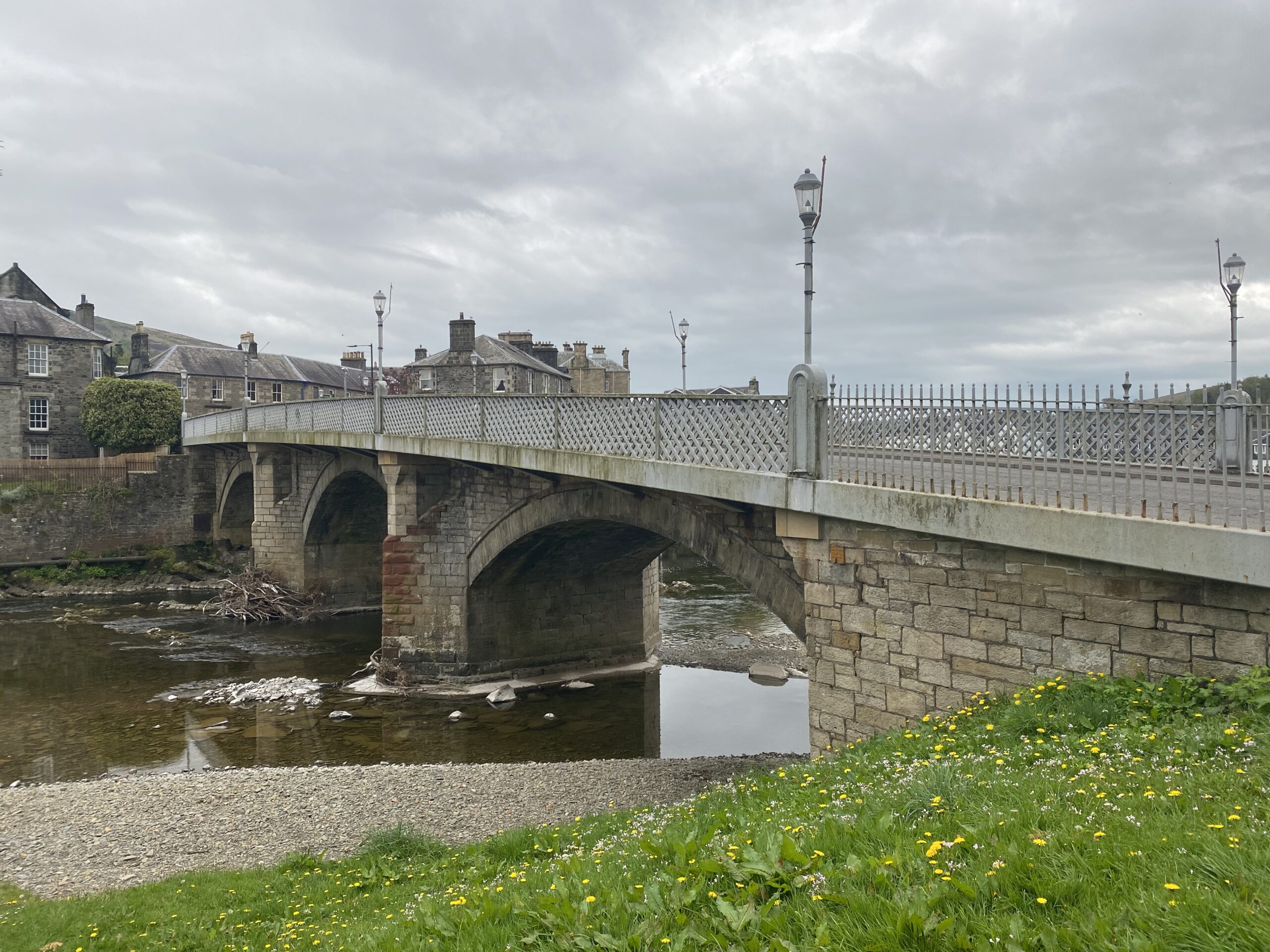
Became an apprentice stonemason. His second apprenticeship was with Andrew Thomson in Langholm.
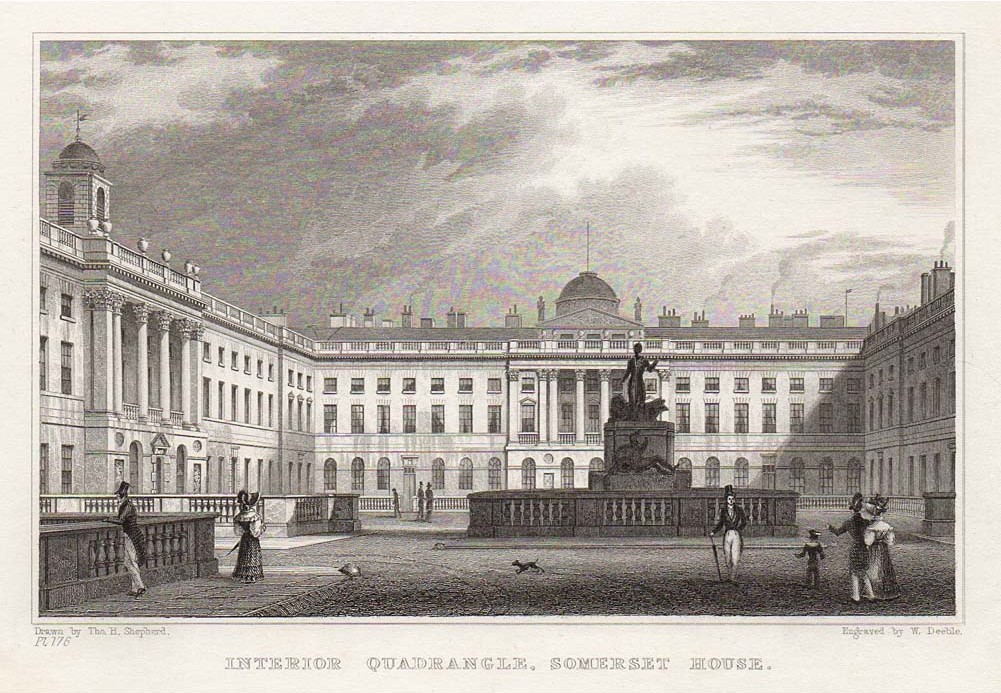
Moved to London and worked on Somerset House and Portsmouth Dockyard.
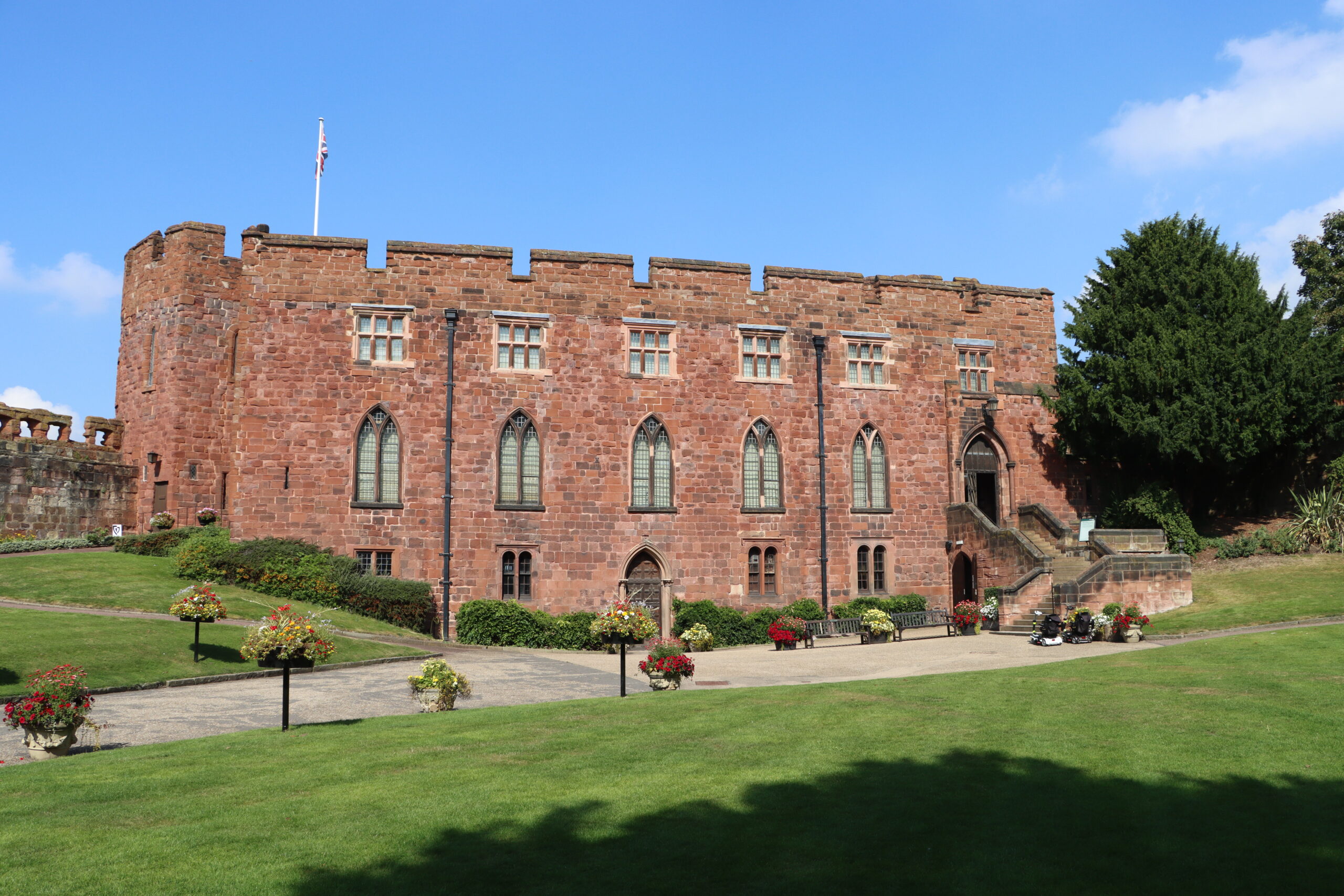
Began working for Sir William Pulteney in Shropshire, starting with the renovation of Shrewsbury Castle.

Appointed Surveyor of Public Works for Shropshire.
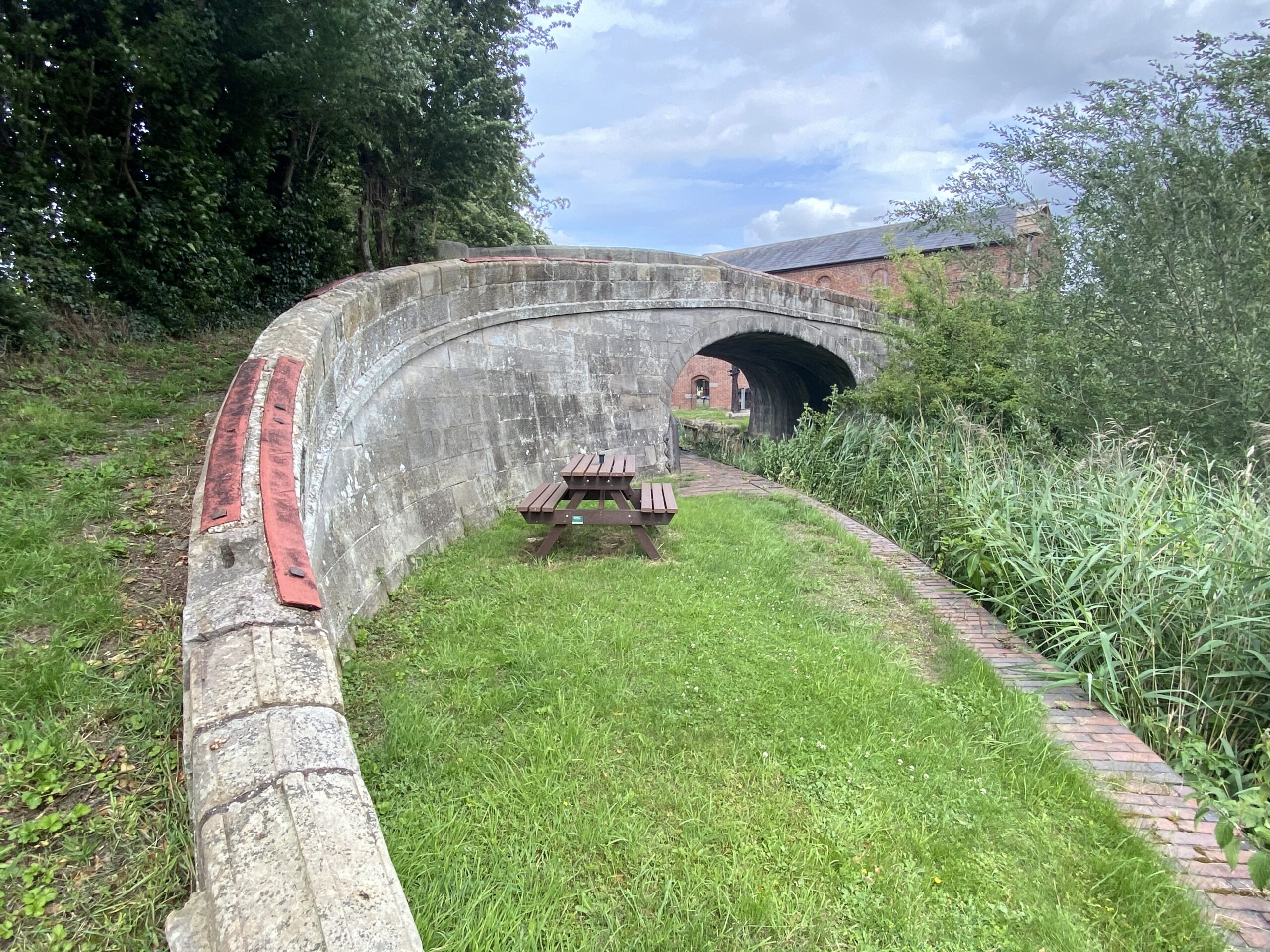
Shrewsbury Canal officially opened.
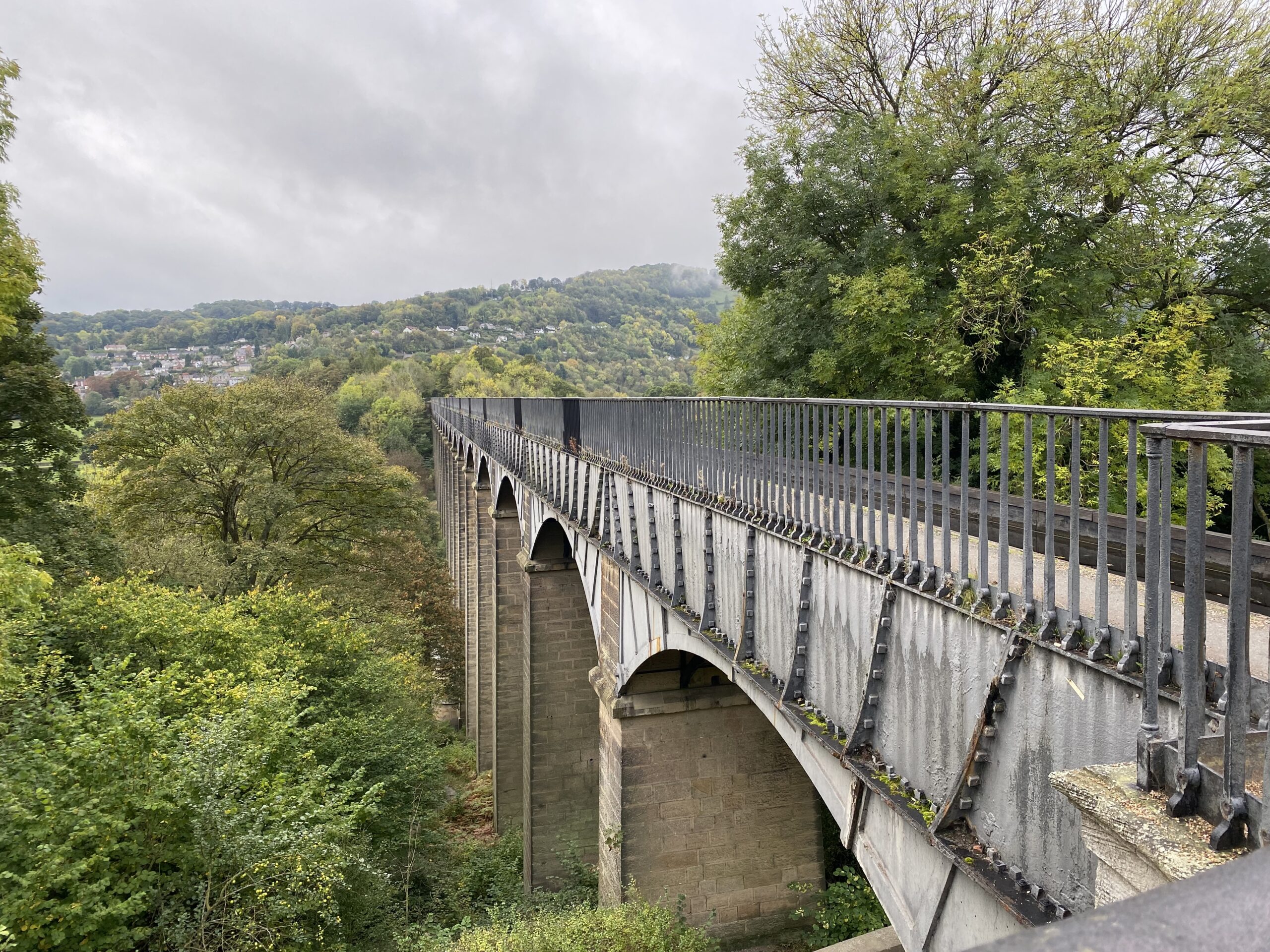
Pontcysyllte Aqueduct opened.
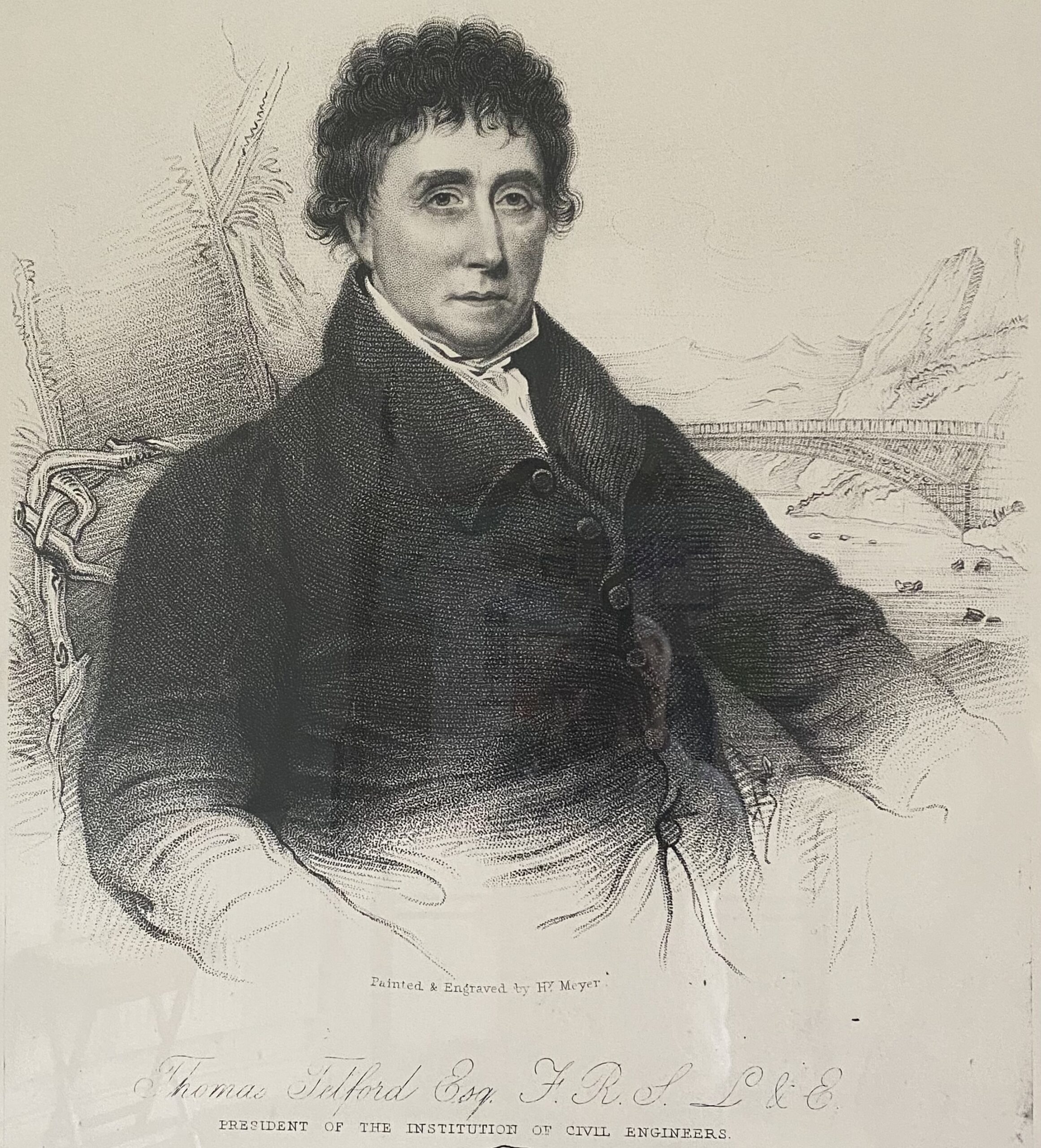
Appointed first President of the Institution of Civil Engineers (ICE).
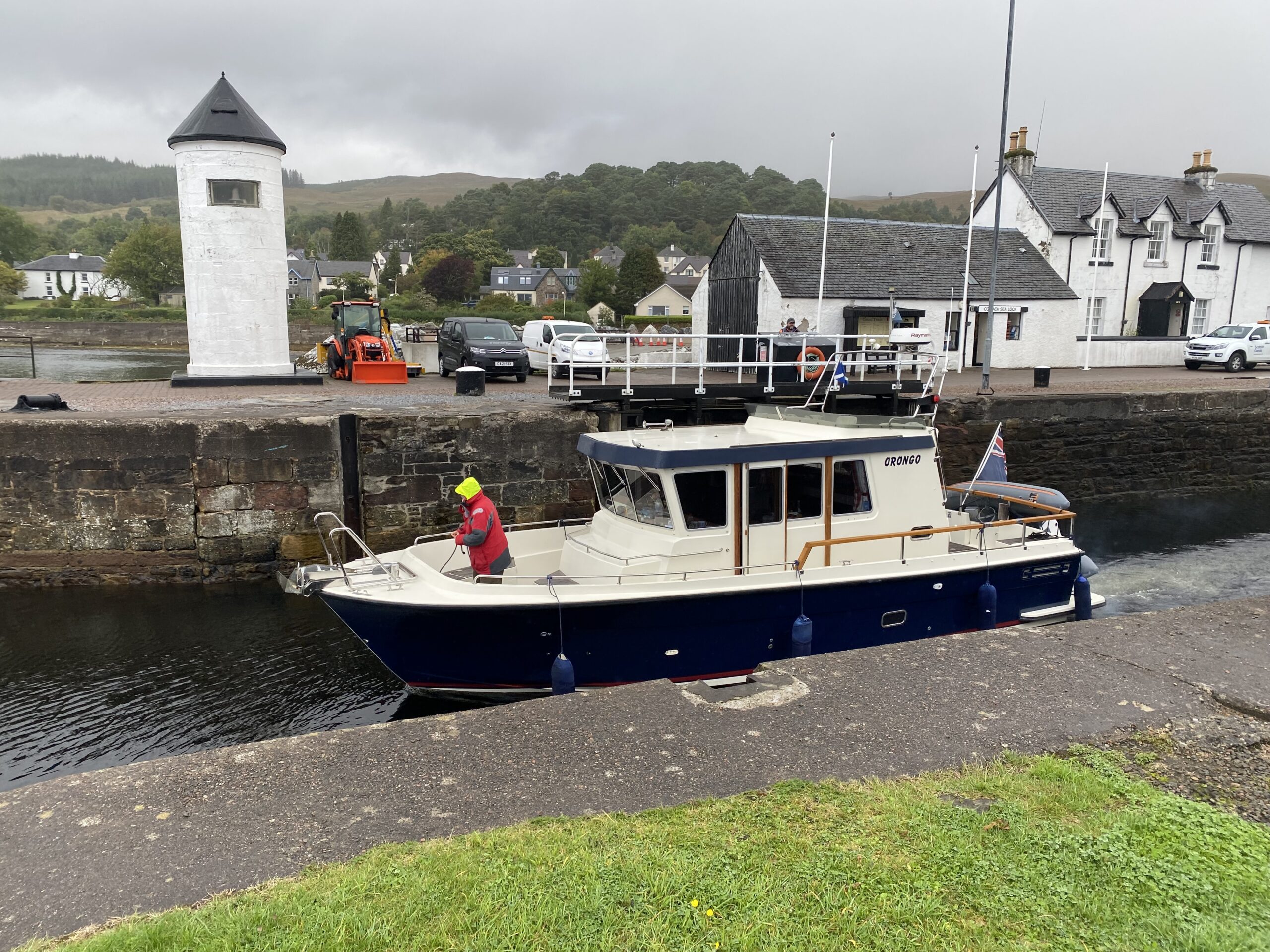
Caledonian Canal opened.
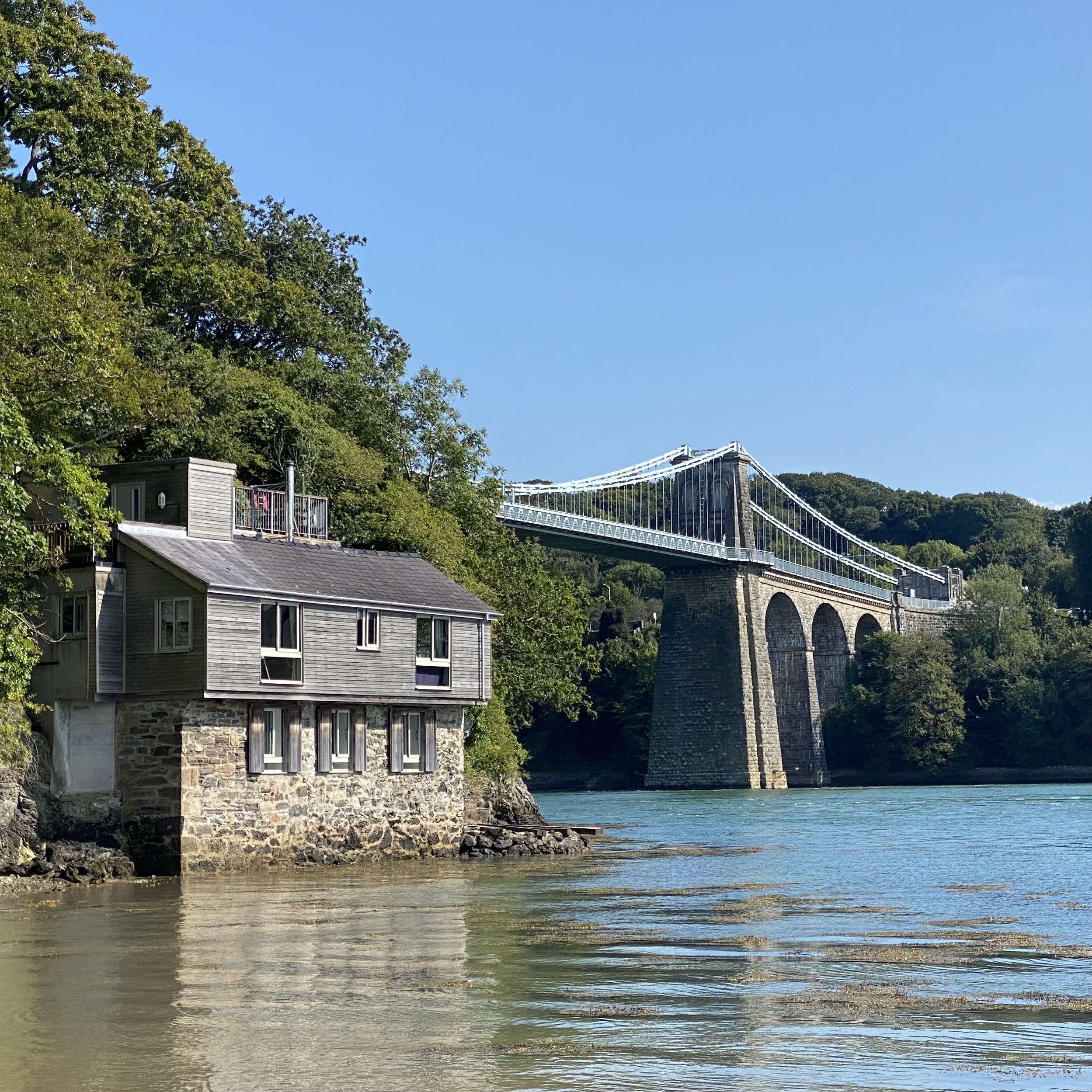
Menai Suspension Bridge opened.
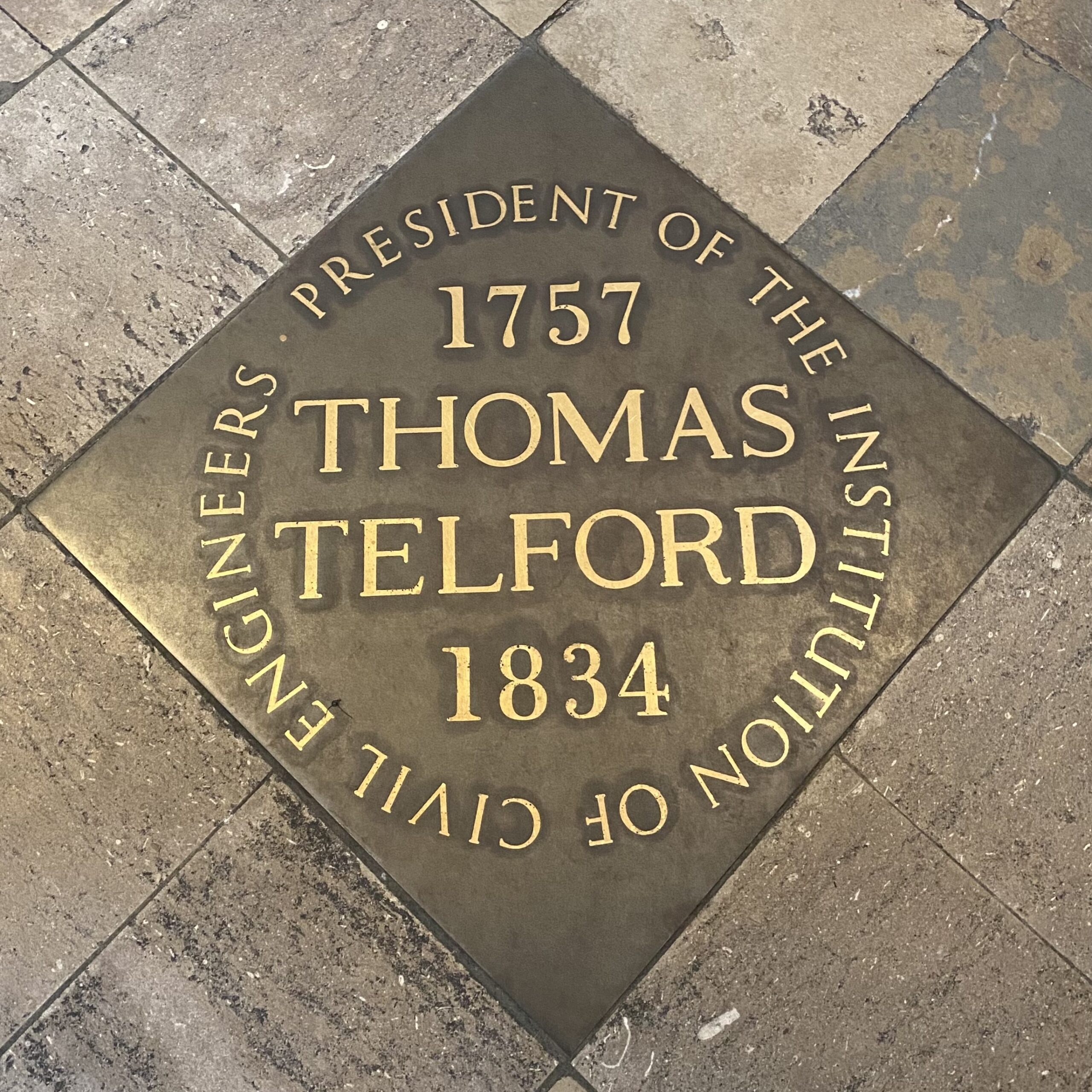
Died on 2nd September 1834 in London and was buried at Westminster Abbey.