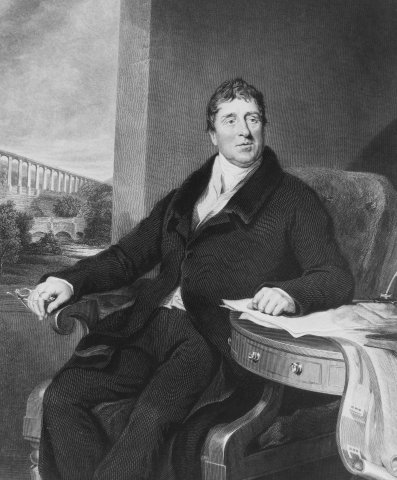

Telford was one of five renowned engineers who defined Britain’s canal era.
James Brindley (1716–1772)
A generation earlier, Brindley was responsible for the Bridgewater Canal, often considered the first “modern” canal. Brindley’s work laid the foundation for others.
John Smeaton (1724–1792)
Known as the first self-proclaimed civil engineer. He mentored and collaborated with William Jessop.
William Jessop (1745–1814)
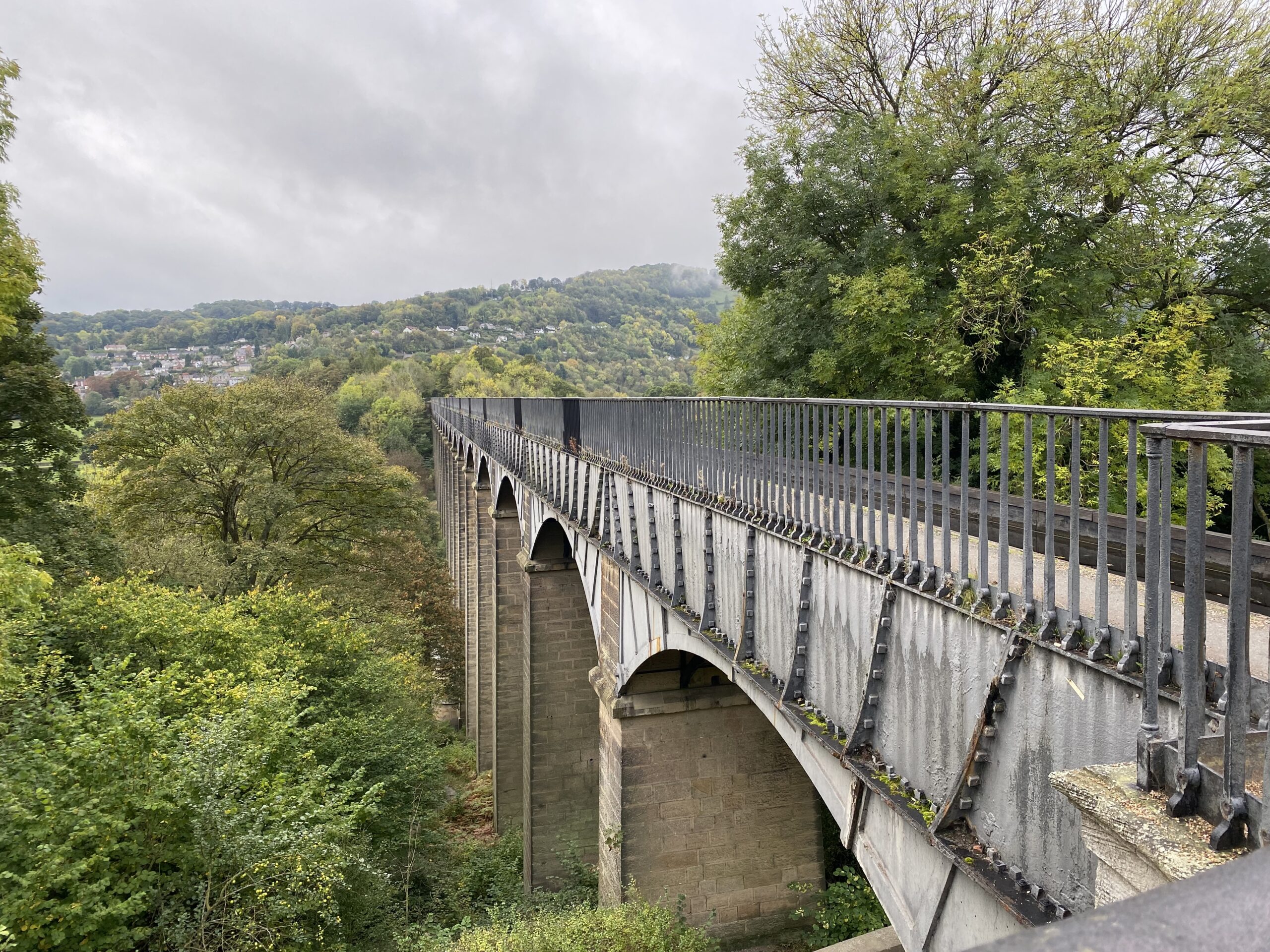
Telford’s mentor and collaborator. They worked together on major projects including Pontcysyllte Aqueduct and the Caledonian Canal.
John Rennie (1761–1821)
Telford took over several of Rennie’s projects after his death, including Rochester Bridge.
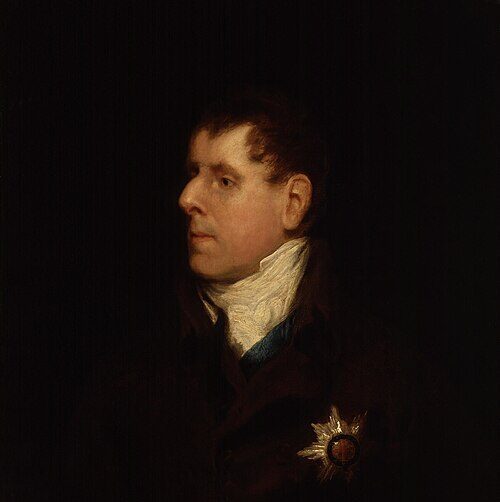
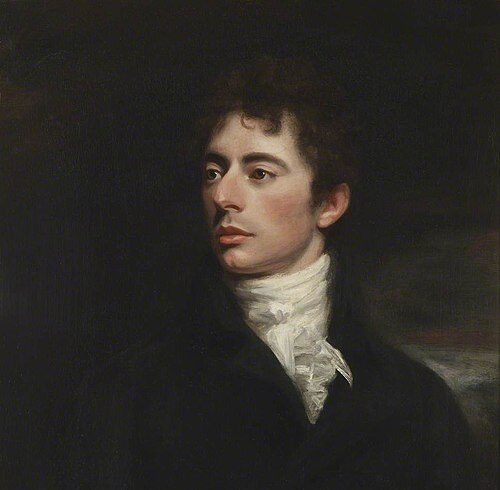
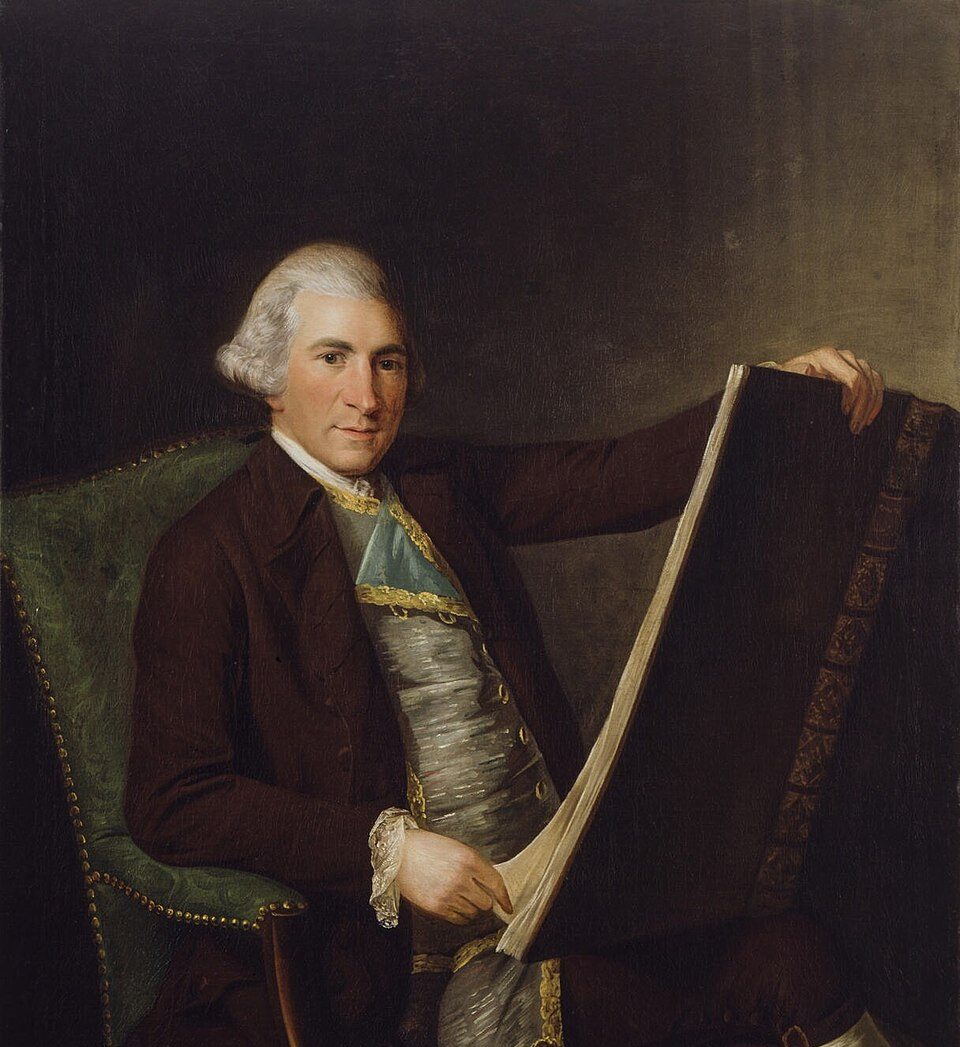
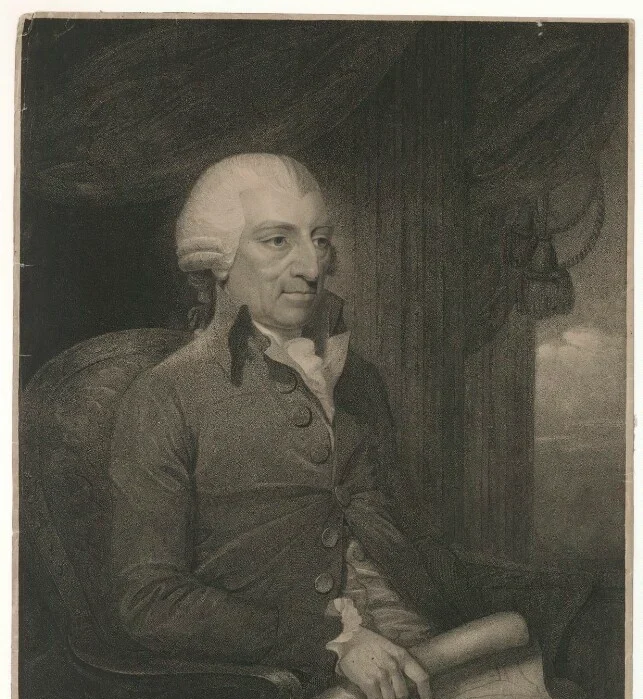
Jessop was Telford’s early mentor and sponsor and worked with him on his early aqueduct projects,
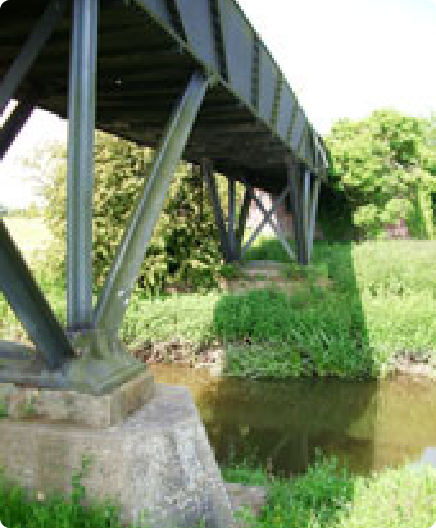
Hazeldine was Ironmaster for Pontcysyllte and the Menai Straits Bridge. Telford called him “the Arch conjuror himself, Merlin Hazeldine.”
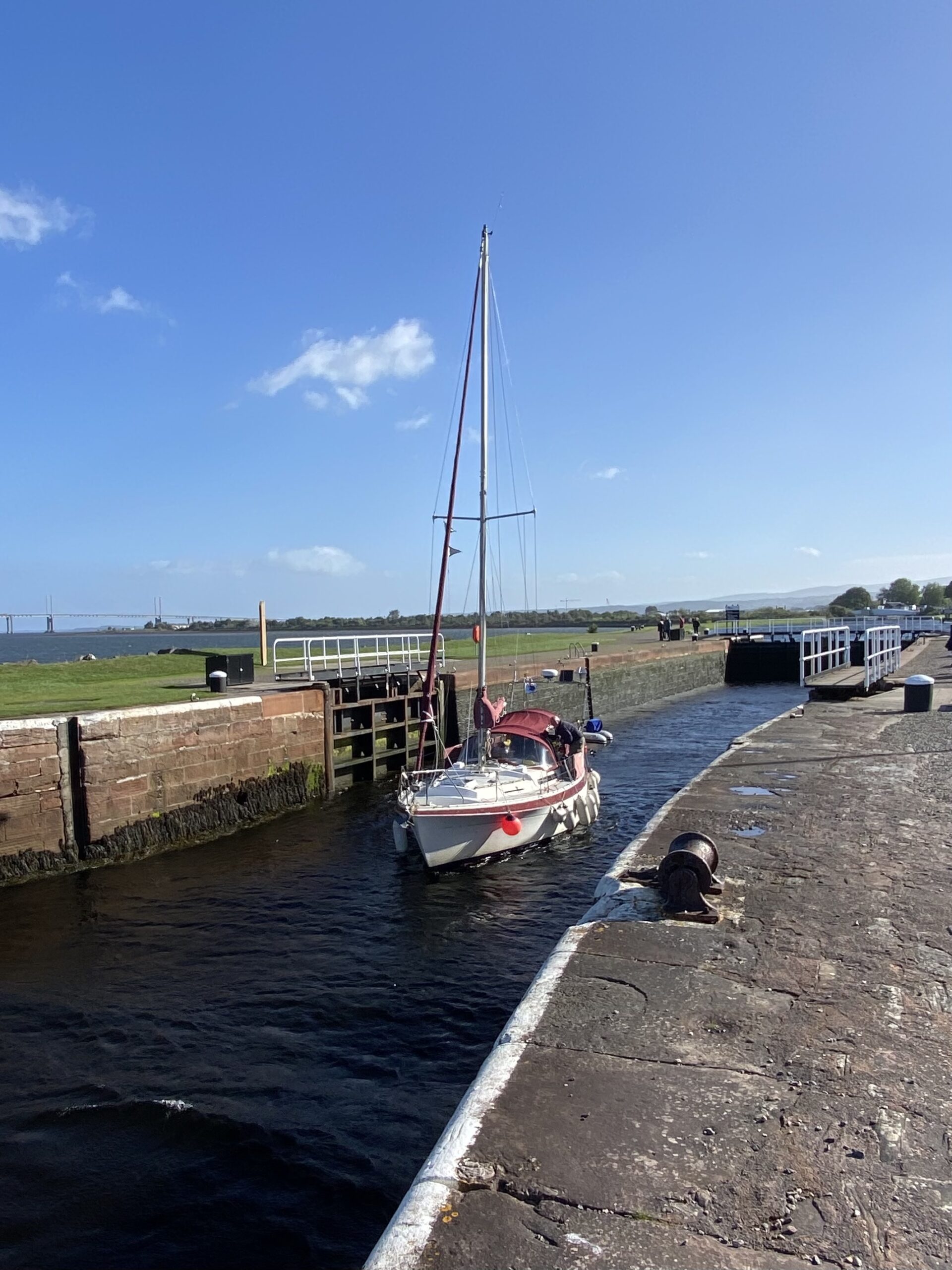
Davidson was a childhood friend and a key figure in Telford’s team. He was site lead at Poncysyllte, and Resident Engineer on the Caledonian Canal.
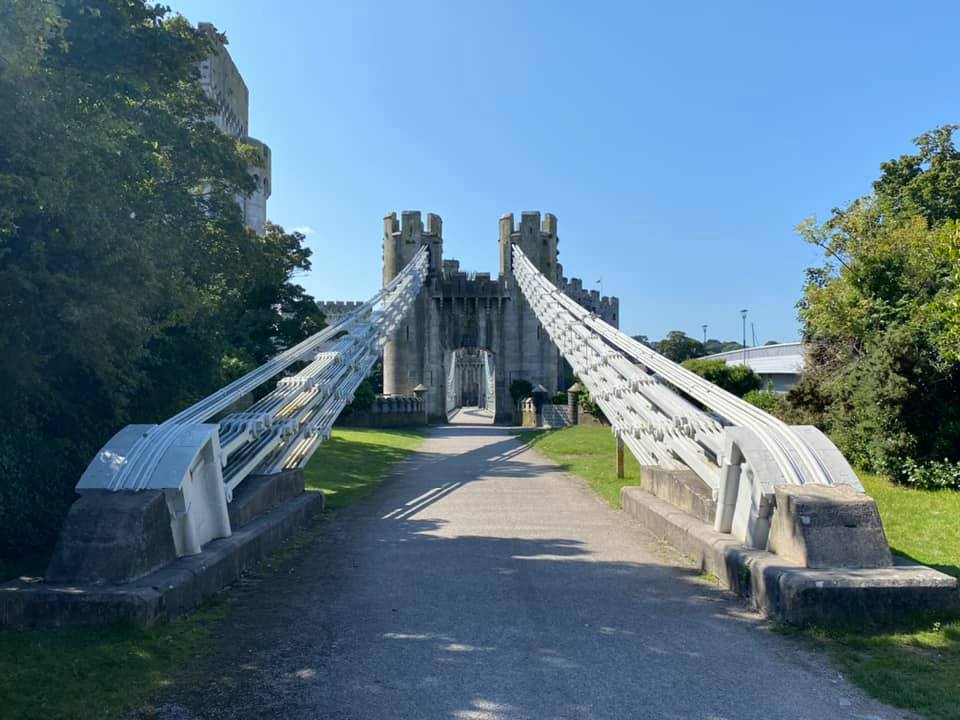
Simpson worked closely with Telford on multiple projects for over two decades. As a master mason he delivered the massive masonry towers and abutments for the Menai and Conway suspension bridges.
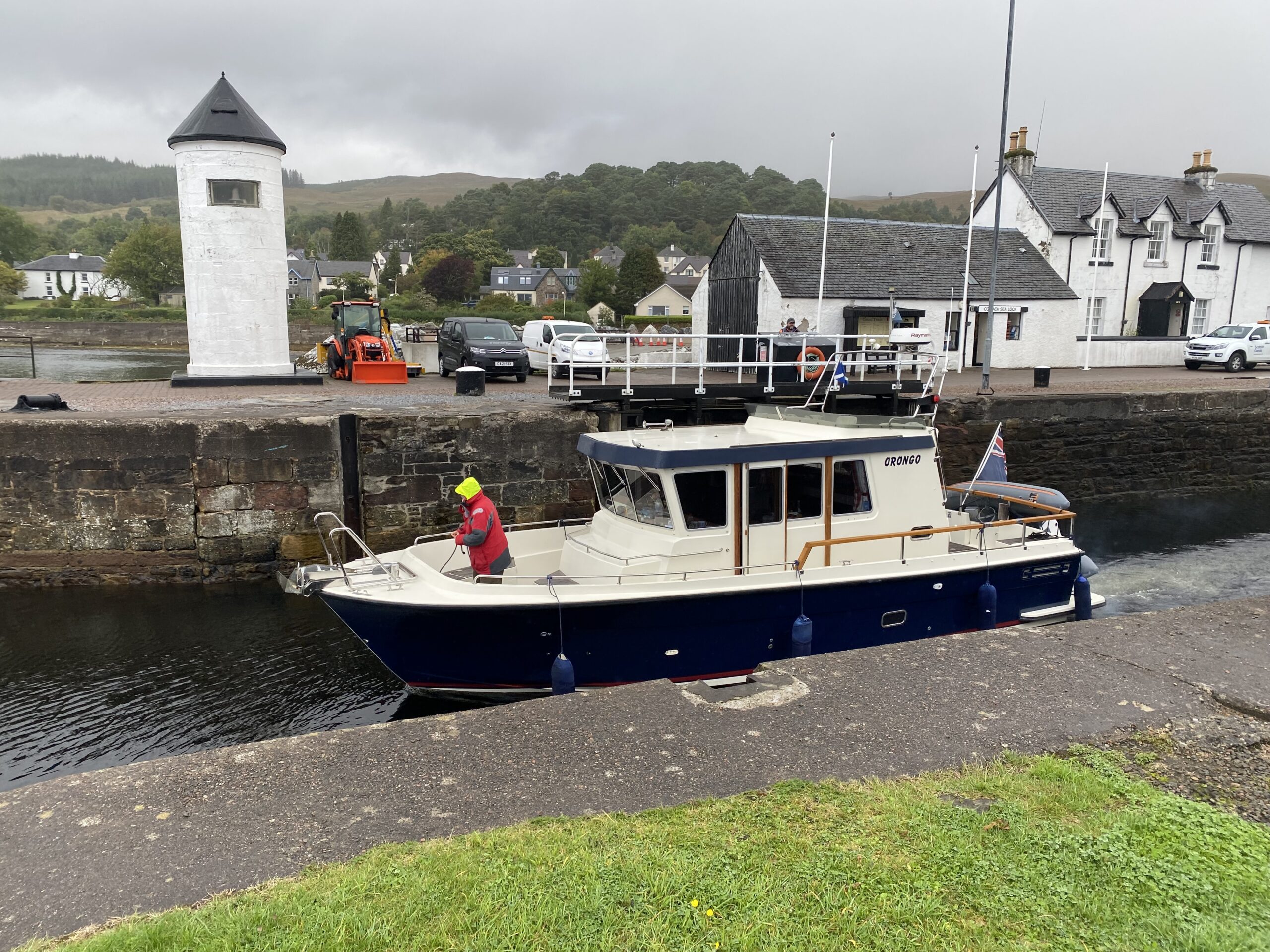
Easton was an engineer on the Caledonian Canal and later the Birmingham and Liverpool Junction Canal.
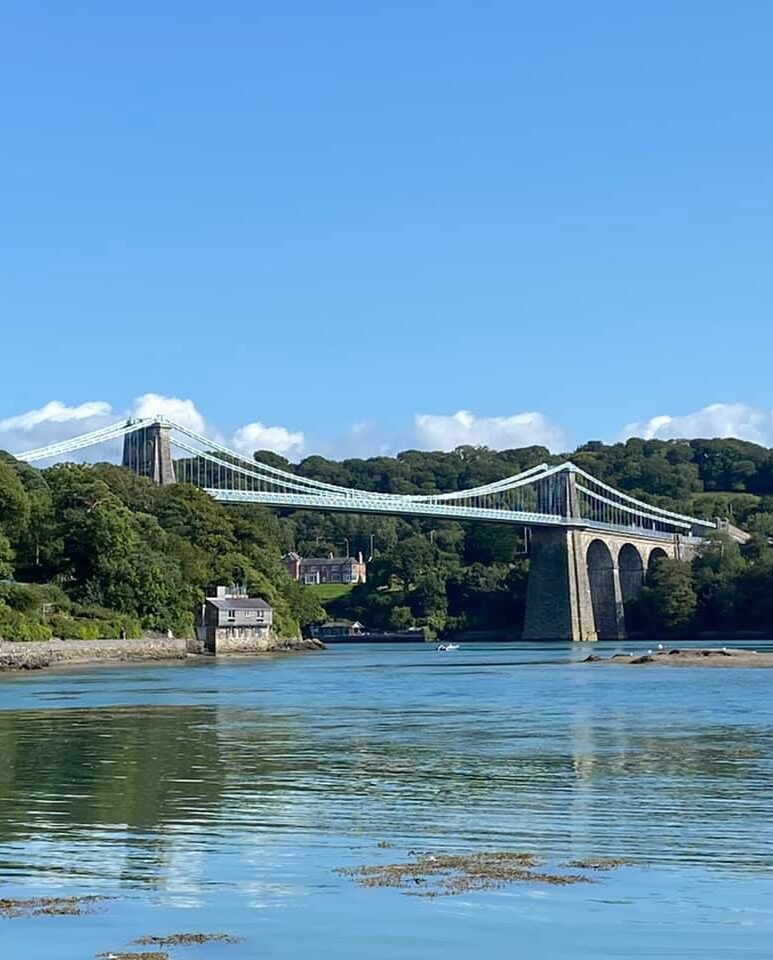
Provis joined Telford in 1814 and contributed to a range of road and canal works including the Menai and Conway bridges.
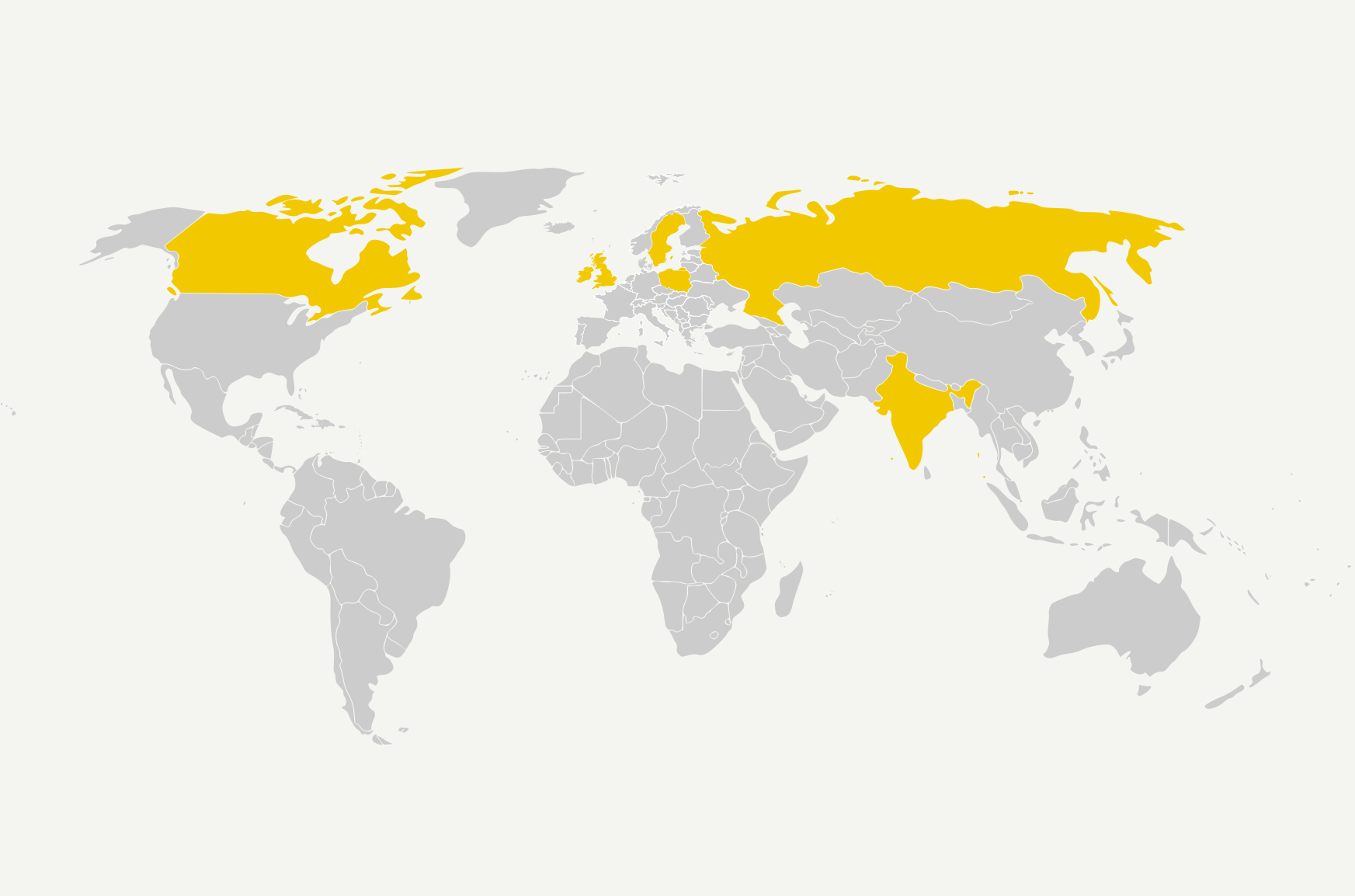
Though most of his work was in Britain and Ireland, Telford’s reputation reached across the world.
- Ireland
Designed the Ulster Canal and improved the Howth Road linking Dublin to its new harbour. - Canada
Advised on canals and harbour projects in Newfoundland, Nova Scotia, and Ontario. - Sweden
Commissioned by the King of Sweden to design the Göta Canal, completed in 1832. - India
Judged entries for a causeway design between Bombay and Colaba, a route still in use today. - Russia and Poland
Consulted on road and canal infrastructure projects by the Imperial Russian Government.